Dental CAD Design: A User’s View on Outsourcing
An experienced dental CAD designer and dentist in Lyon shares how external design support adds flexibility to an established in-house laboratory.
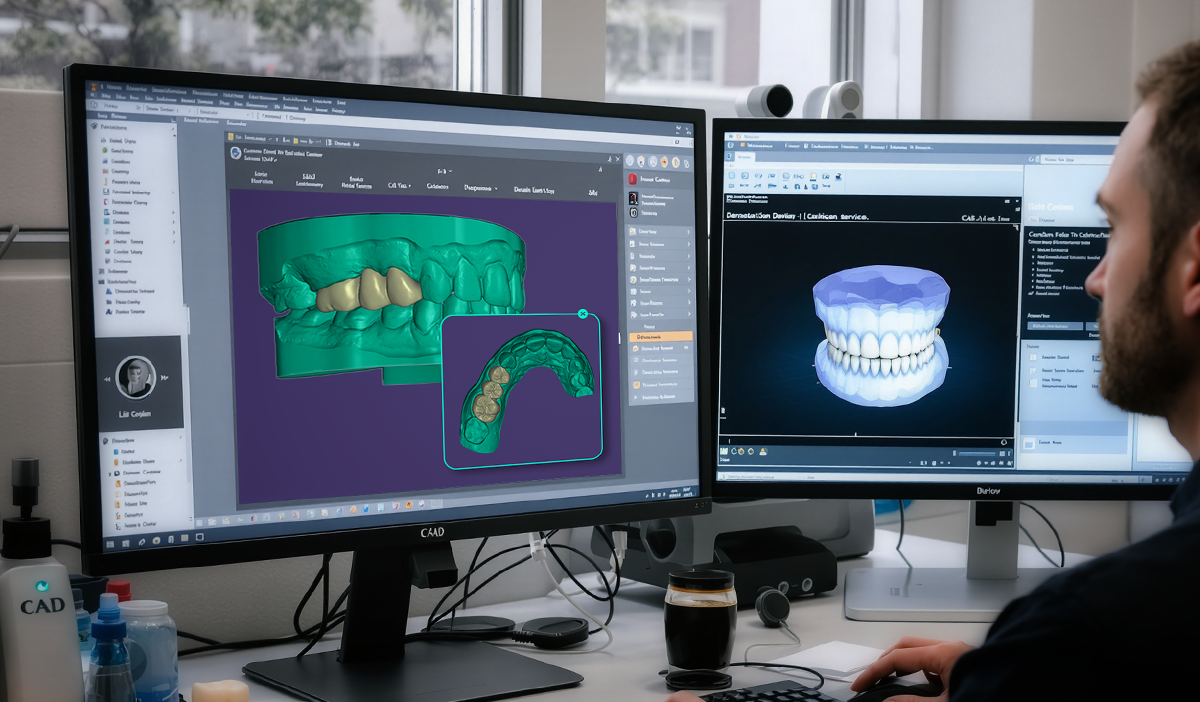
Dental CAD design can become a bottleneck when case volume exceeds the time available at the workstation. For dental technicians and lab owners, the question is practical: how can a team handle additional design work while keeping the rest of production moving?
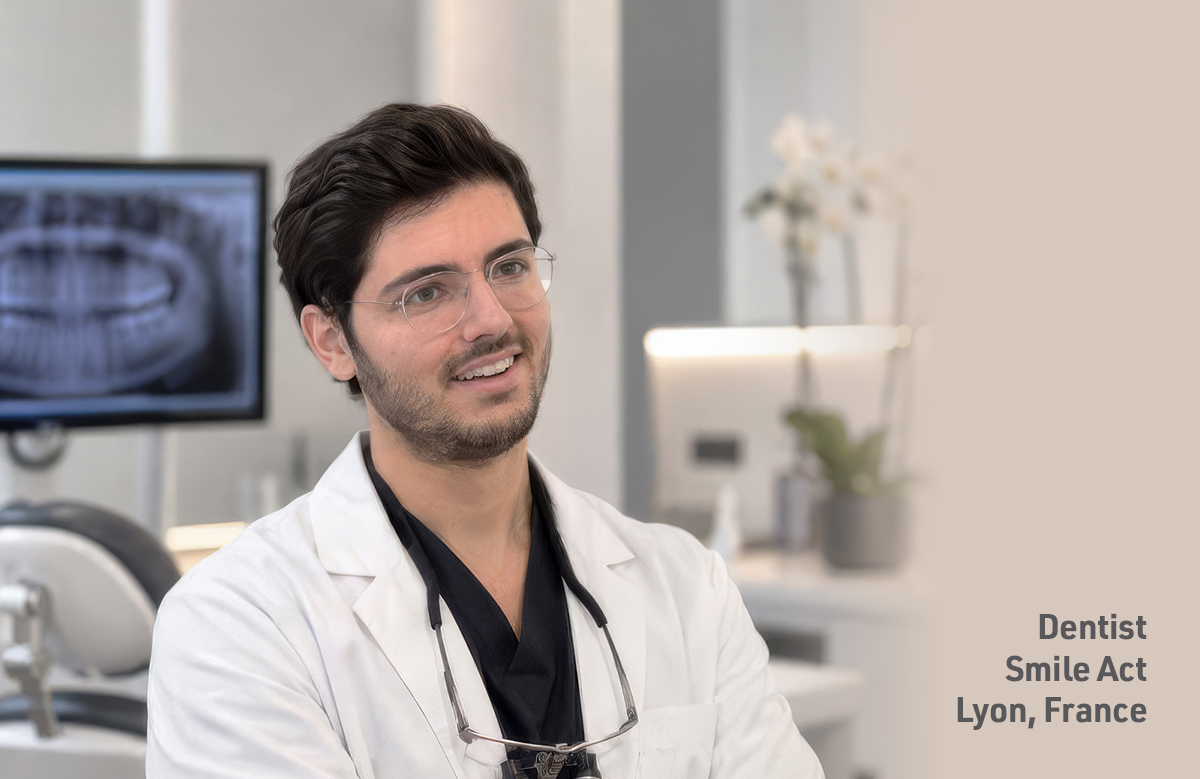
For one dentist at Smile Act in Lyon, France, dental design outsourcing provides additional capacity during busy periods. Having previously worked as a digital dental designer and now operating an adjacent laboratory, he brings experience from both sides of the design request. In this interview, he discusses the quality and cost he values, the situations where external support helps, and the areas where his experience has been less straightforward.
The following interview has been translated and edited for clarity and length.
Could you introduce your background and the restorative cases you work on?
Given this background, I’m especially interested in aesthetic and complex restorative cases: crowns, veneers, and cases requiring an increase in the vertical dimension of occlusion, or VDO. We also handle implant cases, including All-on-6 full-arch restorations.
Adding Capacity to an Established Dental Lab Workflow
How did you handle design before using an external dental CAD design service?
Most of our design work was handled in-house. With my background, I used to design cases myself. Since we established our laboratory, our dental technicians have taken over that work. We introduced AMDC, Amber Mill Design Center, to handle additional design work alongside our existing in-house workflow.
What made you decide to use dental design outsourcing?
A. We needed extra design capacity during busy periods at the lab. Being able to outsource design at a relatively low cost helps reduce the workload by freeing up our technicians’ design time.
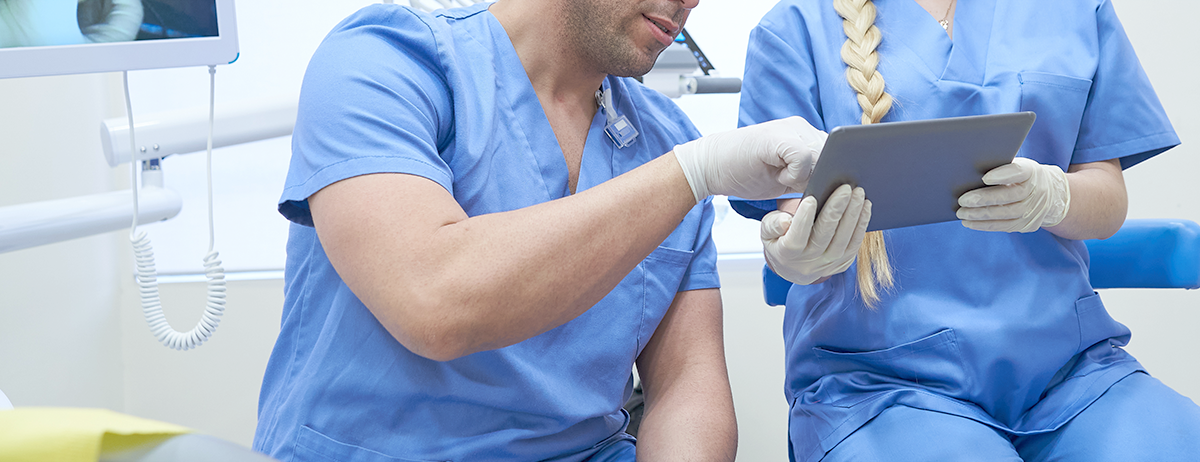
What Matters Most: Design Quality and Cost
What was your first impression of the Human Design service?
My first impression of the design work was very positive. The designers were skilled, and I was satisfied with the quality of the results. As a first-time user, I found that the platform’s case upload and design request process took some getting used to. A more intuitive workflow would make the experience even better.
Which aspects have been most valuable to you?
Design quality and cost. The designers are good, and being able to outsource design at a lower cost during peak periods gives our lab flexibility. That combination is what makes the service worthwhile for us.
Where External Support Fits Best
What has changed in your dental lab workflow?
The main change is flexibility. When the lab is overloaded, we send some design work to AMDC so our technicians can focus on the rest of production. It gives us additional design capacity when we need it.
Which cases or situations have been the best fit so far?
It is most useful as overflow capacity when the amount of work exceeds what our lab can handle internally. In terms of case types, conventional non-implant restorations are currently the best fit for us.
A Recommendation with Clear Reservations
How would you assess the overall quality of the designs you received?
Overall, I was satisfied with the designs. The designers were skilled, and the quality of conventional restorations was good. For more complex cases, such as implant and All-on-6 full-arch restorations, I would take a more selective approach.
Would you recommend the service to other dentists or dental technicians?
Yes, with some reservations. I would recommend it to dentists and labs that need extra design capacity at a reasonable cost, because the designers are good and the quality is there. I would be more cautious with implant and full-arch cases, and the platform still needs to become easier to use.
For technicians and lab owners evaluating a dental CAD design service, this experience offers a practical starting point: identify where design workload builds up, consider which case types suit external support, and assess the submission process alongside the design results. In this laboratory, the strongest value came from having more flexibility during busy periods, with conventional non-implant restorations providing the clearest fit.